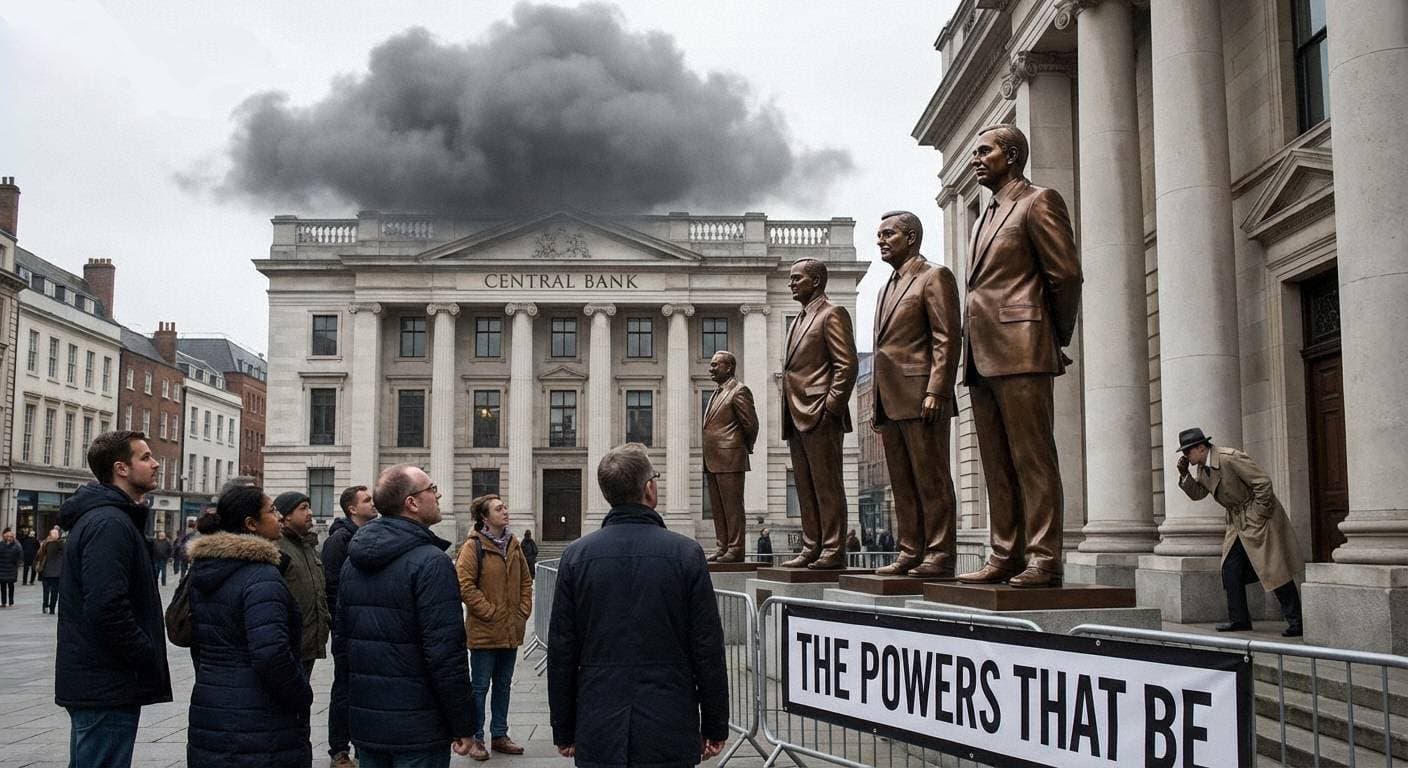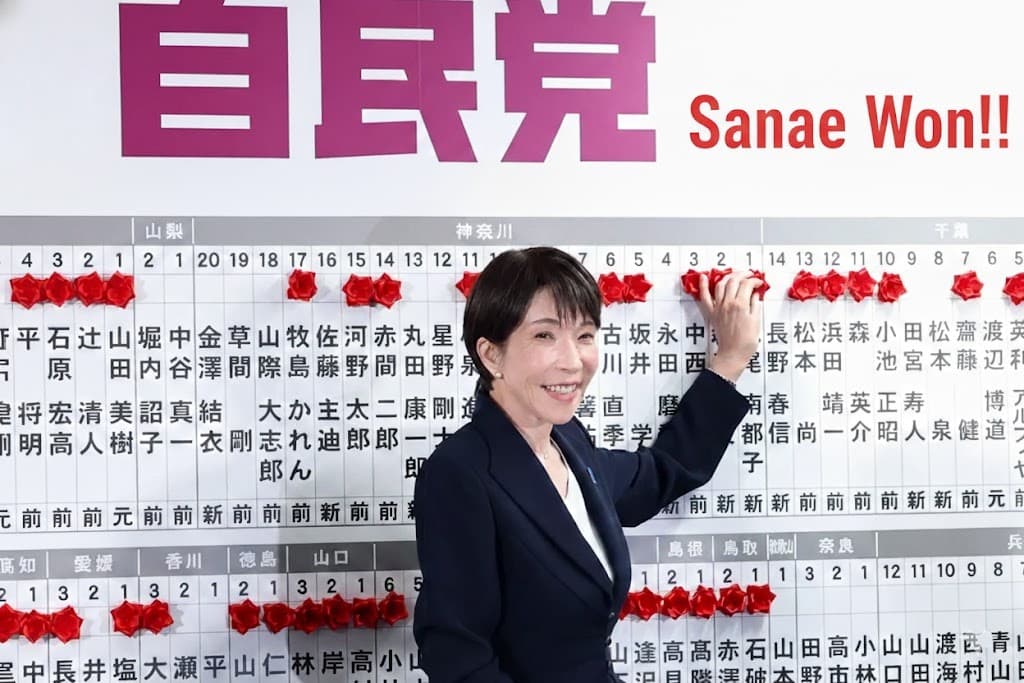
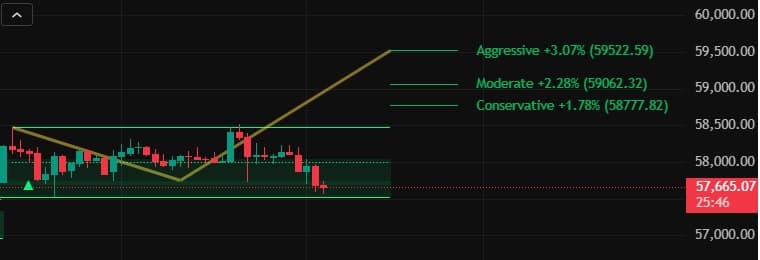
Sanae Takaichi just won a supermajority in Japan's snap election and the market didn't waste any time figuring out what that means. The Nikkei crossed 57,000 for the first time ever, defense stocks jumped 12-16% in a single session, and the country's about to drop ¥122 trillion on what amounts to a full economic reset.
This thing's going to play out over years. Japan's walking away from decades of pacifism, the defense buildout alone could run for the rest of the decade, and the government just put ¥122 trillion on the table to back it up.
What Actually Happened
Takaichi called a snap election and won big. Her party locked up a supermajority in the lower house, so she's basically got a free runway until 2028 with no real opposition. Four years of uninterrupted policy in a country that usually burns through prime ministers every 18 months is a big deal.
The market moved fast. Kawasaki Heavy Industries jumped 16%, Mitsubishi Heavy and IHI Corp both surged over 12%, and chipmaker Advantest climbed 12% that same day. These are massive industrial companies, not speculative small caps, and they all ripped on the same catalyst.
Japan's FY2026 budget hits ¥122.3 trillion, that's about $783 billion and a ¥7.1 trillion jump from the current year. The government tagged 17 sectors for investment, including AI, semiconductors, digital infrastructure, cybersecurity, shipbuilding, and advanced defense tech. Defense spending alone is hitting 9 trillion yen and they're reaching the 2% of GDP target two years ahead of schedule.
The Defense Play
Japan's defense industry has been underfunded for decades because of constitutional restrictions and that's changing fast. Takaichi's openly talking about reworking Japan's longstanding policies on nuclear weapons, and she said a Chinese blockade of Taiwan could trigger a Japanese military response.
The budget backs that up. The money's going toward counterstrike capabilities, long-range missiles, and AI-operated systems. Japan's building out from a really low base here, which means there's a lot of room to grow and the spending curve gets steep quickly.
Kawasaki Heavy, Mitsubishi Heavy, and IHI Corp are the main contractors. Japan Steel Works also moved 12% on the election news. These companies have been working with the government for decades, they've got manufacturing capacity, and they're about to see real demand for the first time in a generation.
The risk is execution though. Smaller companies in the defense supply chain are pulling out because the margins are thin and they're not convinced the work lasts. If the supply chain can't scale fast enough, contracts get delayed and the momentum in these stocks stalls out.
Chips and AI Get a Blank Check
Japan's semiconductor industry fell behind Taiwan and South Korea over the past 20 years, and now the government's trying to close that gap fast. The Ministry of Economy, Trade and Industry nearly quadrupled its commitment to semiconductor and AI development from ¥333 billion to ¥1.23 trillion, which tells you how seriously they're taking this.
TSMC's building a $17 billion 3nm facility in Kumamoto, and the government committed to investing at least $66 billion in AI by 2030. That includes corporate tax relief and subsidies for data centers.
Tokyo Electron and Advantest are the equipment makers that benefit most directly. They make the tools that fab plants need, and if Japan's bringing chip production home, these companies get to sell domestically instead of depending on exports to Taiwan and Korea.
China's export restrictions on critical minerals like gallium and germanium are actually helping the case here too. Those are key inputs for chipmaking, and Japan wants to stop relying on China for them. That means the government keeps spending on this even if global chip demand takes a breather.

Infrastructure Rides the Spending Wave
Real estate and construction stocks rallied because Takaichi's promising expanded fiscal stimulus. Cable makers like Furukawa Electric and Sumitomo Electric Industries were both strong on the election results.
This trade is less about individual companies and more about the macro setup. If the government's spending ¥122 trillion and prioritizing digital infrastructure, quantum computing, and shipbuilding, construction firms and material suppliers are going to catch a bid.
The sustainability question is real though. Japan's debt-to-GDP ratio is almost 230%, making it the most indebted country in the world. Real GDP's only expected to grow 0.7%, and Takaichi's two-year suspension of the 8% consumption tax on food costs about 5 trillion yen a year. The math here is shaky unless inflation picks up or growth surprises to the upside.
The Yield Curve Trade
Japanese banks make more money when long-term bond yields go up because their net interest margins expand. People are calling it the "Takaichi Trade," rising stocks, weaker yen, and higher long-dated JGB yields all moving together.
Mitsubishi UFJ Financial Group saw some selling early on but rallied once the market started pricing in higher long-term yields. The 10-year JGB yield's expected to hit 2.5%, with most of the pressure building at the ultra-long end. Thirty-year JGB yields initially surged 6.5 basis points before pulling back.
This all works as long as the Bank of Japan stays loose. If the BOJ even hints at tightening in their late February meetings, the whole trade flips. On January 20, yields across the JGB curve shot to multi-decade highs after Takaichi called the snap election, and that kind of move can shake people out of positions fast.
Weaker Yen Help Exporters
Toyota and other manufacturers get a boost from the weaker yen because it makes their products cheaper overseas. The yen's lost about 6% against the dollar since Takaichi became prime minister in October and hit record lows against the euro and Swiss franc.
Currency intervention is the main risk here. The only thing that's stopped the yen from falling further is threats of coordinated intervention from the U.S. and Japan. If USD/JPY gets close to 165, expect the BOJ and potentially the Fed to step in.
A weaker yen also makes imports more expensive though, which feeds into inflation, and that creates a problem because Takaichi's promising tax relief to fight inflation while the currency is actively working against her.
What Could Go Wrong
The fiscal picture is rough. Japan needs to turn its current deficit into a surplus of at least 4 trillion yen just to keep the debt ratio from spiraling. That means either doubling real GDP growth from 0.7% to 1.3%, or letting inflation run to 2.6%, which kind of defeats the point of suspending the food tax.
Bond markets could force the issue too. If JGB yields keep climbing, debt servicing costs get out of hand and the whole budget starts to unravel. Everyone's watching the BOJ's late February meeting because any hint of tightening probably stalls the Nikkei's rally.
China's another wildcard. Takaichi's comments about Taiwan triggered diplomatic backlash and China's already restricting exports of critical minerals. If Beijing decides to escalate economically, Japan's still exposed because the country depends on China for a lot of its semiconductor inputs and rare earth metals, even with the push to reduce that dependency.
There's political risk too. Takaichi's got a strong mandate now but if the economy doesn't cooperate or the fiscal math falls apart, public opinion can shift. 2028 is a long way off and a lot can change between now and then.
How to Position for This
Defense contractors are the highest conviction play here. Mitsubishi Heavy, Kawasaki Heavy, and IHI Corp have direct exposure to the 9 trillion yen defense budget, they've got established government relationships, and they're building from a low base so the growth runway is long.
Semiconductor equipment is the other big one. Advantest and Tokyo Electron benefit from the ¥1.23 trillion commitment to chips and AI, and this isn't just about one good quarter since the government's locked into a multi-year buildout that should hold up even if global chip demand softens.
Financials work if you think the yield curve steepens without the whole fiscal framework cracking. MUFG is the biggest and most liquid way to play rising JGB yields, but you've really got to watch the BOJ on this one.
Exporters like Toyota are a yen weakness play, but intervention risk is real so don't go heavy here unless you're OK with sharp reversals.
Infrastructure and construction move with the overall spending story. They'll do well if the government keeps spending, but it's more of a rising tide trade than a company-specific call.
Three Things to Watch
First, the Bank of Japan's late February policy meetings. Any signal of tightening, even something subtle, kills the Takaichi Trade. The market's priced for continued easing, so a surprise would hit hard.
Second, JGB yields. If the 30-year breaks above 4%, that's bond vigilantes saying they don't believe the fiscal plan works. Once debt servicing costs get that high, the entire budget is in trouble.
And then there's China. Takaichi's already in a diplomatic standoff with Beijing over linking Taiwan to Japan's national survival. If that situation gets worse, Japan faces trade retaliation and supply chain problems, and you'd want to watch for new restrictions on critical materials or limits on Japanese companies operating in China.
The opportunity is real and the government commitment gives these trades a longer shelf life than you usually get with macro setups. Defense and semiconductors have the most going for them right now, with years of spending already baked into the budget. But the gap between Japanese revival and fiscal crisis is pretty thin, so keeping tabs on the bond market and the China situation matters just as much as picking the right stocks.