Investing in the stock market can seem like a crazy prospect for a generation of young adults that have two cents in their pocket and a $100,000 student loan for a degree that they don't use. But when it's done right, you can take that two cents, turn it into three cents, and, well, that's more than you had yesterday. And isn't that the goal?
In all seriousness, the stock market is often perceived as a big scary abyss of money that eats unsuspecting investors alive and is the path to a magnitude of wealth for those that understand it. While those perceptions can be true, understanding the stock market and succeeding in making money with it is far easier than you might expect.
What Is a Stock?
In order to understand the stock market, first we need to understand just what a stock is. A stock, otherwise known as a share, is a financial token or instrument that signifies ownership of a company in some proportion.
Ownership and Proportions
Basically, if Amazon had 1,000 shares and you bought one share, you would own one one-thousandth of Amazon. In reality, Amazon and companies alike have millions of shares, but that sums up the point. When you own a stock, that means that you own a portion of that company, and as the value of that company increases, so does your stock price.
Common vs. Preferred Stocks
There are also common and preferred stocks, which refer to the voting rights of a shareholder. Common shares have voting rights, and preferred shares don't. When you have voting rights, you can vote on things like board elections, mergers, and other financial decisions.
Preferred shares, however, are called that because they get preference when a company pays a dividend—which is basically a split of the profit of a company with the shareholder—and they also get preference in other financial situations. Stocks can get much more complicated than that, but these simple understandings will serve enough for the basic investor.
Why Companies Sell Stocks
The next thing you might be wondering is why exactly companies will sell stocks. And that answer is simple: to get money. Stocks allow a company to raise massive amounts of operating capital with essentially no extra effort or product.
Valuation and Future Potential
The modern stock market often bases the value of a company off its potential earnings down the line. This means that relatively small companies can earn millions or even billions if investors think that they can succeed in the future.
The Stock Market and IPOs
So then, if a company wants to sell their shares, they need a place to do it. Enter the stock market.
Initial Public Offerings
Companies list shares by selling them through an initial public offering or IPO on an exchange. This essentially changes the status of a company from a privately held business to a publicly traded one. IPOs can let company founders cash out their stake or just let the company raise money.
Public Trading Begins
Once a company's stocks are listed on an exchange, the public can trade them. Usually prices will fluctuate based off of public opinion, but the more concrete trends and fluctuations are usually dependent upon a company's earnings and operations.
Understanding Market Metrics
These can be measured by P/E ratios, or price-to-earnings ratios, as well as a variety of other metrics. This is usually where casual investors get scared and their eyes start to glaze over. But fear not, it's not as complicated as it sounds.
How Share Prices Fluctuate
Next we need to understand how and why a share price fluctuates. The stock market is composed of millions of investors and individual traders who all feel different ways about a company. They all make independent choices and the net of those choices result in the positive or negative movement of a stock.
The Basic Principle
If more people buy, then the price has to climb. If everyone wants out of a company, then the price falls due to lack in purchasing demand.
A Real-World Analogy
An example might be this: Say you post something on Craigslist for $100. After posting, you get 100 emails saying they'll come to purchase your item all cash right now. Most people at this point might start thinking that they priced their item too low and thus raise the price until, in theory, it reaches the most that the one single last buyer will pay for it. Conversely, if you receive no offers, you'll likely keep dropping the price until someone bites.
Supply and Demand in the Stock Market
This is similar to how the stock market moves, except that the price rise and drop isn't done consciously, rather by millions of transactions every second through supply and demand.
Buyers and Sellers
For every stock purchase or sale, there has to be a buyer and a seller. If there are more buyers, then the price will go up. If there are more sellers, the price will go down.
The Bid-Ask Spread
Traders often might talk about the bid-ask spread, which basically means the difference between the bid (what someone is willing to pay to buy a share) and the ask (what someone is willing to sell a share for). Supply and demand is fairly simple to understand at the end of the day. If more people want something, that thing—in this case a stock—will be more expensive.
Evolution of Trading Systems
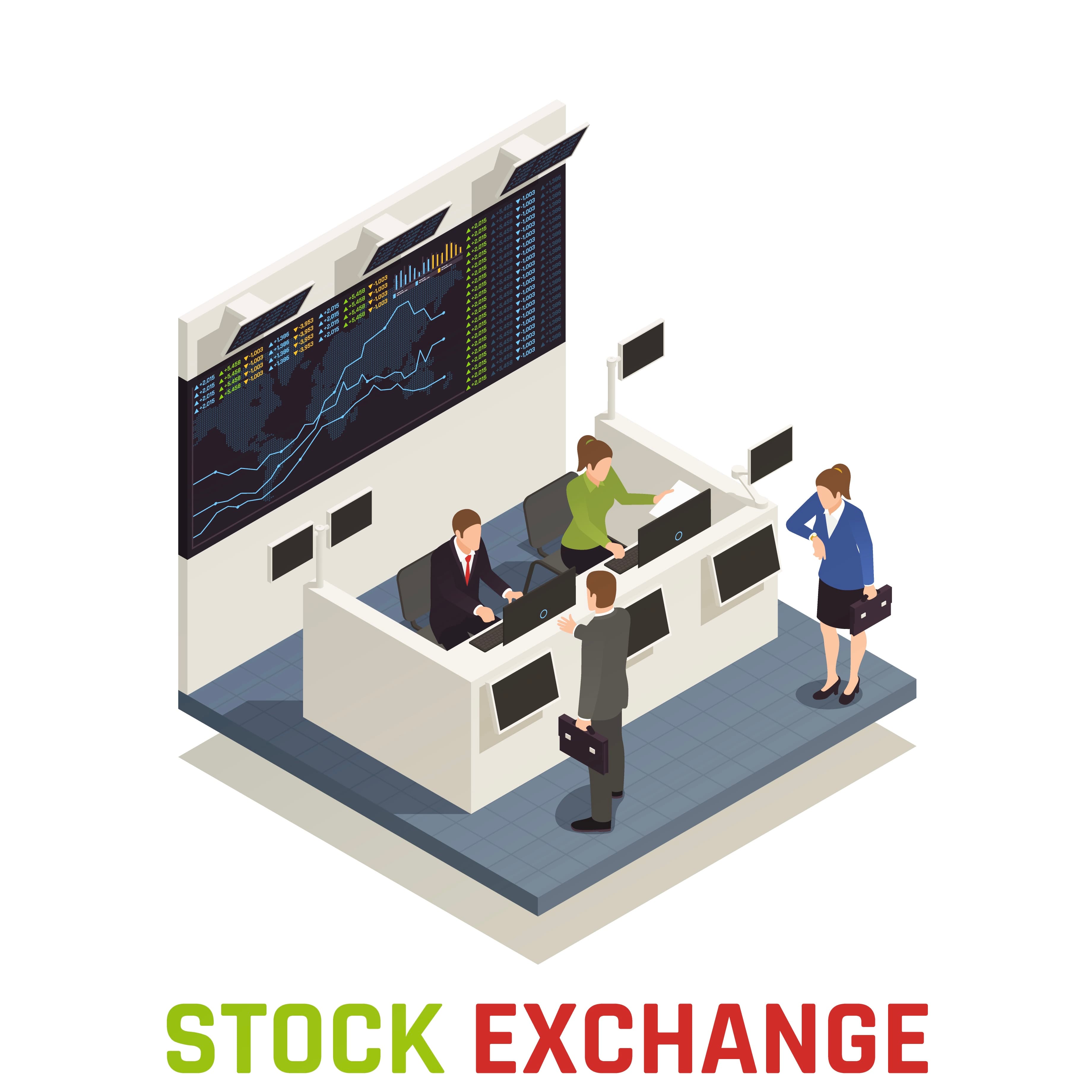
At the start of stock markets, matching buyers to sellers was done manually on a trading floor. Now, it's mostly done automatically by trading systems. This allows the market to move much faster and creates the breakneck pace that any casual onlooker notices when watching the stock market.

Why Invest in Stocks?
Now, you might be wondering, well, I don't have time to understand this. And why should I even invest anyway when I can earn 2% to 3% just keeping it in a bank on a high side? Well, the answer is pretty simple. If you do it right, you can make a lot of money.
The Power of Long-Term Investment
Using a common example that you might have heard, if you bought $1,000 of Amazon stock back in 1997, you'd have roughly 1.5 million dollars today. Now, that's a long investment timeline, but I think most people would agree that the purchase would be worth it.
Annual Returns
Other companies often provide return rates like 30-70% each year, which is still going to build you a lot of wealth compared to that 2-3% each year kept in a bank account. In essence, as long as you're able to make more than 3% in the stock market, you're doing better with your money than just keeping it in the bank.
Getting Started with Stock Trading
Now that we understand the stock market to be a real-time marketplace where you can purchase a part of companies you think will succeed, the next step is to figure out how.
Opening a Trading Account
The first thing you'll need is a trading account. You can start one with common providers like E*TRADE or other major banking institutions, but you can also use free trading services like Robinhood.
Understanding Trading Fees
Common trading services will charge fees for every trade you make. But new tech companies like Robinhood have made everything completely free. That means you can invest all of your money in a company and not worry about paying fees to the brokerage. We have a link below to start a Robinhood account where you can get a free stock to download that if you'd like.
Choosing Your Investments
Once you have an account in any trading service, you have to decide what companies or multiple companies' stock to purchase, which is arguably the hard part.
Capital Requirements
You also have to have a certain amount of money. Stocks range from a few cents to many thousands of dollars. The key thing about stocks is that you can't purchase part of one. It's either all or nothing. If you want to invest in Amazon, you'll need at least $1,800, at least at the time of recording, to get started. But you can buy much cheaper, well-rated companies for a few bucks.
Conducting Research
Before you make a purchase, you want to do extensive research to make sure you understand what a company does to make money, whether they're in good financial standing, and also see what experts think about a company and whether you should buy it.
Managing Risk
At the end of the day, you do have to assume some risk, so it's important you only invest money you're capable of surviving without, at least for a little while, or until a certain stock comes back up if it does fall on harsh times.
Conclusion: Your Journey Begins
In this guide, we've covered the basics of the stock market, how it functions, and ways to get started with it. We didn't cover much of the technical analysis that goes into evaluating a company, much of the terminology around stock trading, or even ways to trade without actually having the money you're purchasing stocks with, called margin. And that's okay.
For the beginning investor, the best way to learn the stock market and to get involved is to take a few bucks you're okay with losing and getting your hands dirty and invest wisely.